Beyond marks: why student wellbeing belongs in every school
Good marks don't always mean a student is doing well. Why wellbeing belongs in school, and how the adults around students can help.
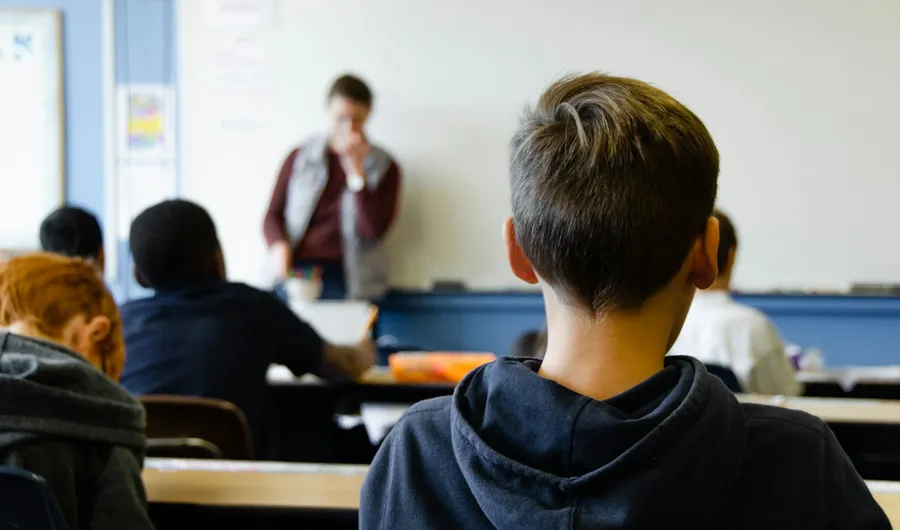
When we talk about a student’s school life, marks usually come up first. Are they doing well? Are they keeping up with their classmates? What could they go on to achieve? But there’s a person behind every mark, with their own feelings, friendships and worries, and not all of that shows.
A student can be doing well in class and still be having a hard time. They might be worried about a friendship, feel pressure to live up to expectations, or be low on confidence. Or there might just be too much going on at once. Sometimes you can see it. Often you can’t. The student keeps coming to class, hands in their work, smiles as usual, and struggles quietly.
Wellbeing is part of learning
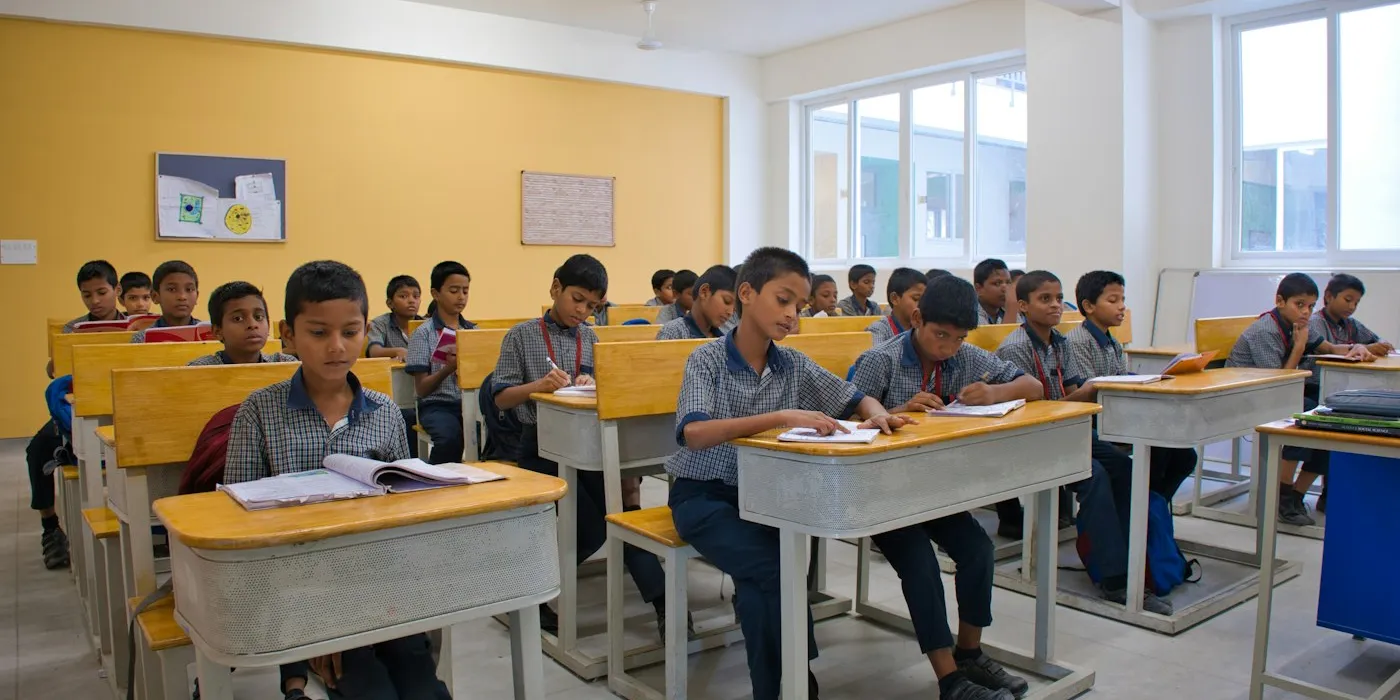
Students spend a big part of their lives at school. It’s where they learn their subjects, but it’s also where they make friends, build confidence, deal with success and disappointment, and learn to handle setbacks.
So wellbeing shouldn’t be treated as something separate from education. Students who feel safe and respected at school are more likely to join in and engage with their lessons. Paying attention to how students feel doesn’t lower academic standards. If anything, students learn better when the rest of their life is going reasonably well.
A supportive school won’t make every student stress-free. What it can do is make sure students know it’s okay to ask for help, and that there are adults they can go to when things get hard.
Creating a school where students feel seen
Looking after student wellbeing is everyone’s job. Teachers are often the first to notice that something has changed with a student. Parents know the child outside school. Counsellors give students a safe, professional space to talk through what’s worrying them and find ways to cope. Each of them plays a different part, and together they help students feel supported.
Sometimes a student doesn’t need another reminder to work harder. They need someone to notice they’re struggling and take the time to listen.
Good marks are one sign of a successful school. Another is whether students feel safe there, and know they’re valued for more than their results.
At RKS Mental Health & Wellness Center, we see student wellbeing as part of a healthy school, one where every student gets the chance to learn, grow and feel they belong.
This article is general information, not medical advice. If you or someone you know is in crisis, call the national helpline Tele-MANAS at 14416.